

Words by Helena Erard

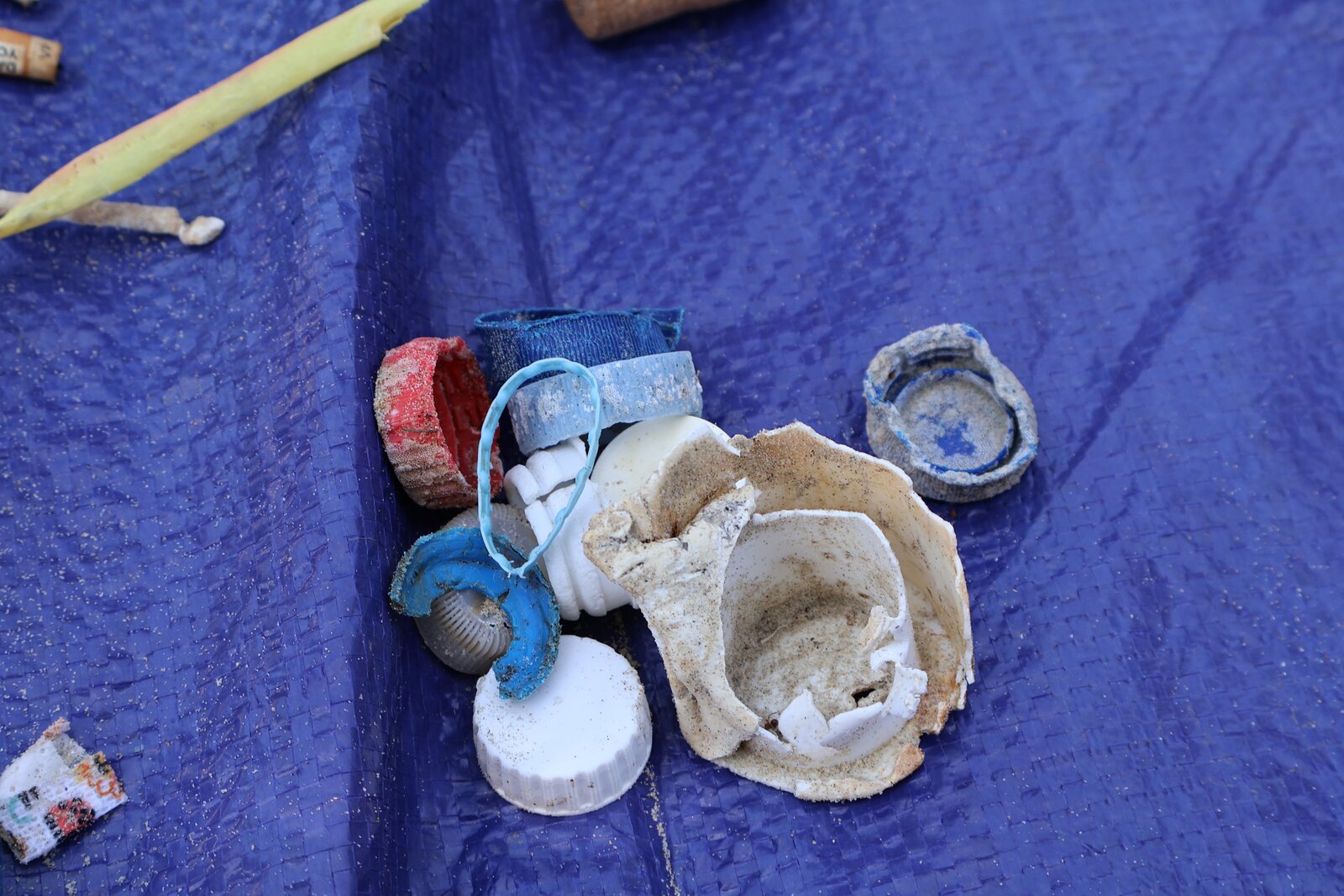
A plastic bottle cap drops from a backpack in Port Douglas. It seems insignificant, barely noticed among the bustle of everyday life. But when the next tropical downpour arrives, that bottle cap begins a journey few people ever think about.

Washed into a stormwater drain, carried through local waterways and eventually swept towards the ocean, it joins the thousands of other pieces of debris moving through one of Australia’s most environmentally significant regions. Along the way, it can threaten seabirds, turtles, fish and coral reef ecosystems.

The story of that bottle cap is the story of every piece of litter found along Four Mile Beach.

Many people imagine marine pollution originates far out at sea, yet much of it begins close to home. A dropped food wrapper, a cigarette butt left on the pavement or a fragment of broken plastic can all become part of a much larger environmental problem.

This is why the Great Barrier Reef Clean-Up organised by the Tangaroa Blue Foundation at Four Mile Beach matters. Beach clean-ups aren’t simply collecting rubbish from the sand. They are intercepting pollution before it continues its journey through the waterways connected to the Great Barrier Reef.
Every item removed tells a story

A faded plastic fragment may have travelled hundreds of kilometres on ocean currents. A fishing line tangled in mangrove roots could have become a hazard for marine life. 

A discarded bottle cap might one day have broken down into countless microplastics, becoming almost impossible to remove from the environment.

That is exactly what motivates organisations such as the Tangaroa Blue Foundation, an Australian not-for-profit dedicated to preventing and removing marine debris through clean-up programs, data collection and community education.

According to Tangaroa Blue Project Officer Lucy Seeary, even the smallest piece of litter found on Four Mile Beach has the potential to cause harm if left behind.

“It could end up back in the ocean,” Ms Seeary said.

Highlighting the close connection between Four Mile Beach and the Reef, Ms Seeary said protecting the coastline helps safeguard marine life offshore. 

“We have the Great Barrier Reef right on our doorstep,” she said.  “It’s home to so many extraordinary marine species that we don’t want ingesting plastics or marine debris of any sort.” 

“That’s why it’s really important that we are out there cleaning the beach. We do it every single month, trying to prevent as much rubbish from washing back into the ocean.”

For Ms Seeary, protecting the Reef is about preserving one of Australia’s most significant natural treasures.

“It’s such an icon to Australia and Australian marine life, but really global marine life. It is home to such a diversity of marine life, so it’s really, really important to protect and conserve.”

Her passion for marine conservation stems from the belief that healthy oceans benefit everyone.

“It’s kind of why I’m in the field of work that I am doing,” she said.

“We really need to protect our oceans. They do so much for us as humans.”

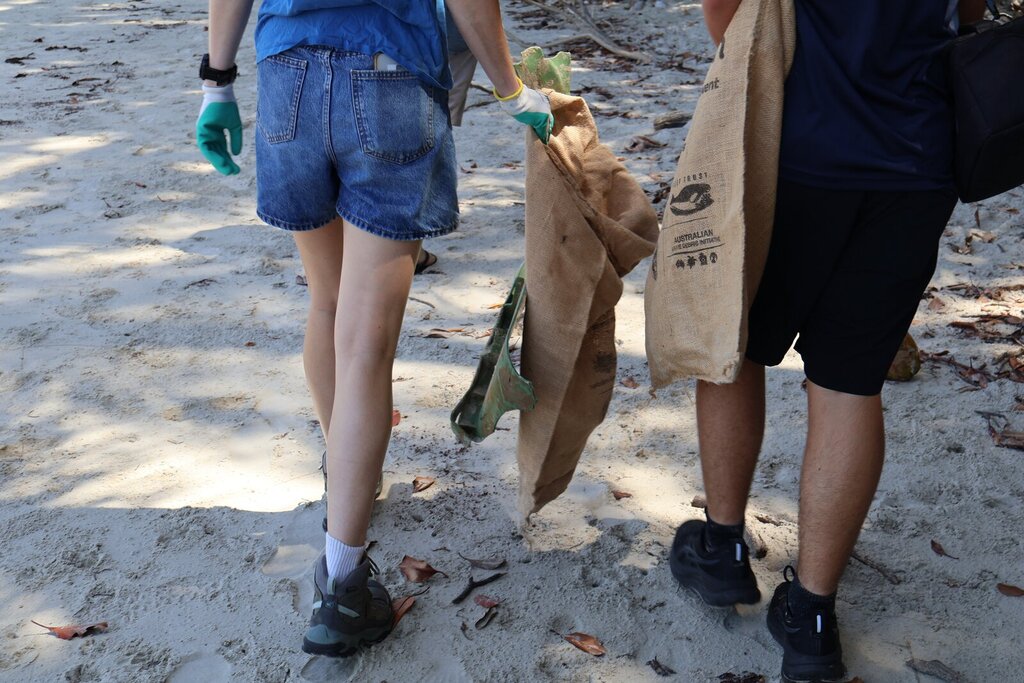
For a few hours on clean-up day, volunteers become the final barrier between litter and the Reef.

Every piece of rubbish removed from the shoreline represents one less threat to marine life and one less item continuing the journey from street to sea.

For more information, including the clean-up calendar, visit: tangaroablue.org/events